su_note note_color=”#FCFCFC” text_color=”#333333″ radius=”3″ class=””] Faculty: Engineering
Department: Computer Engineering
[/su_note]
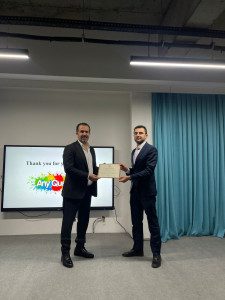
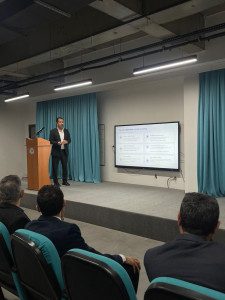
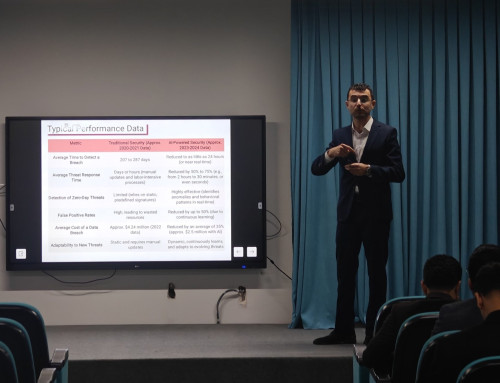
The workshop in brief:
In education, AI tools designed to enhance learning and research have also been misused, leading to new forms of academic dishonesty. Students and even academics may exploit AI-based text generators or automated assistance systems to produce assignments, research papers, or assessments dishonestly, undermining the credibility of academic work.
Bridging theory and practice in AI therefore requires not only innovation but also critical awareness and responsible governance to prevent misuse, promote transparency, and ensure that AI serves as a force for integrity in both media and education.
Participants:
76 students and lecturers
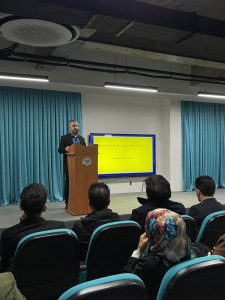
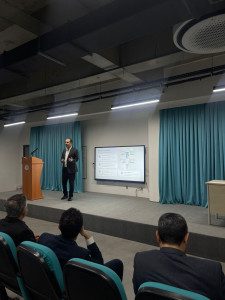
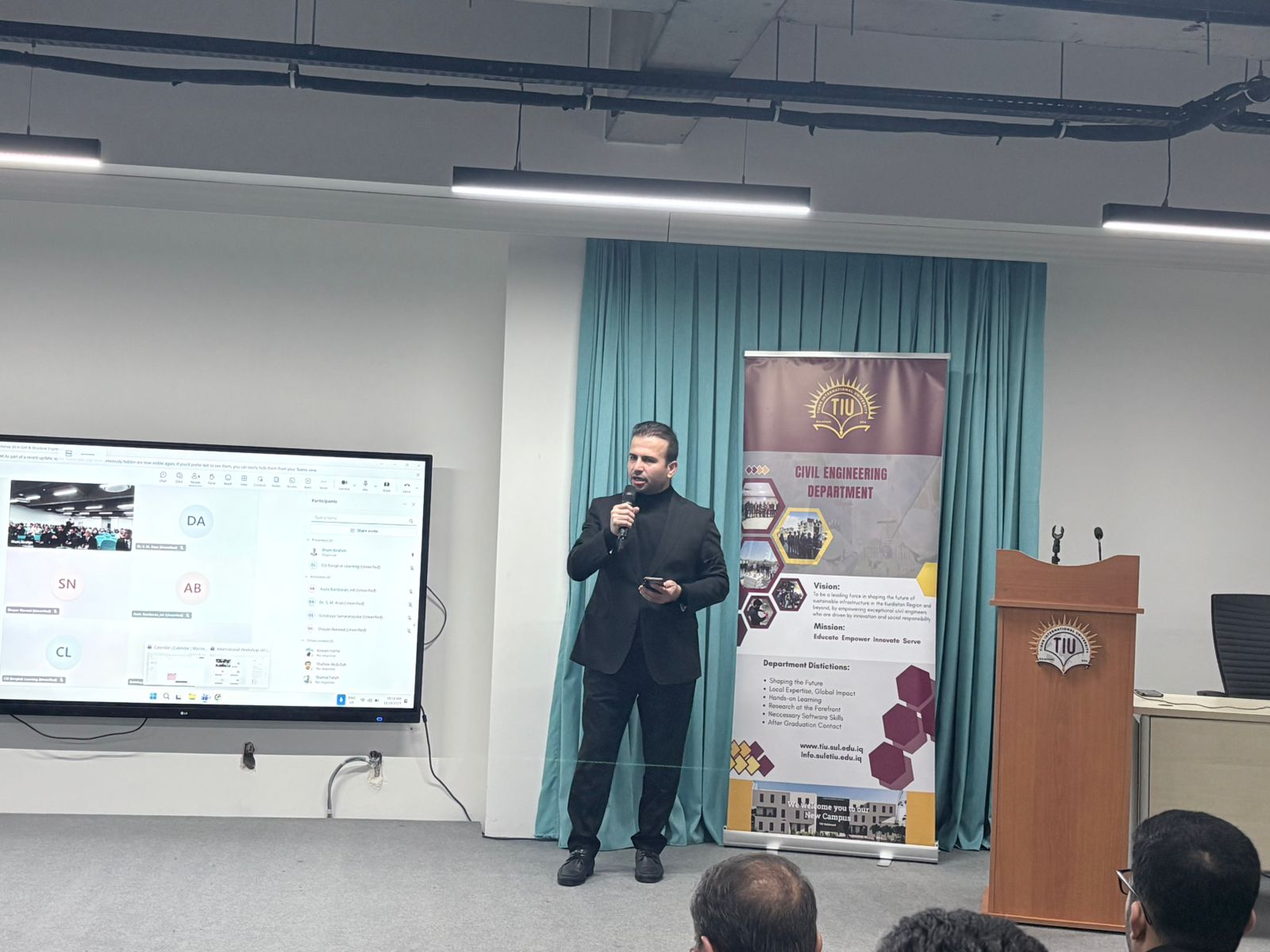
Place: Tishk International University Education /Campus sulaymaniyah|Conference Hall
Session topics:
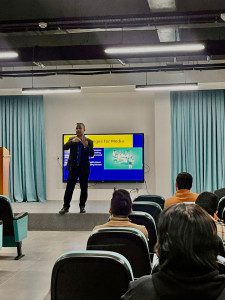
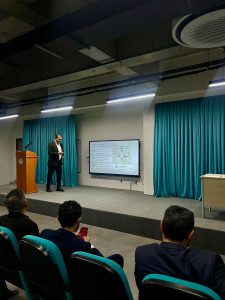
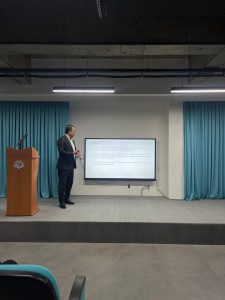
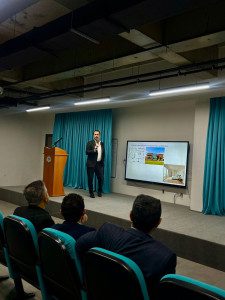
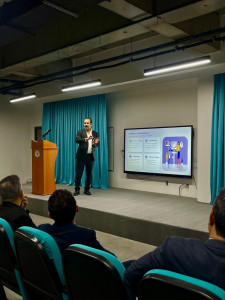
Asst. Prof. Dr. Barham Khalid Ahmed: The Impact of AI on Media and Importance of Media Literacy
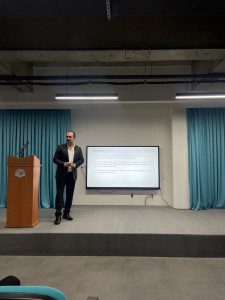
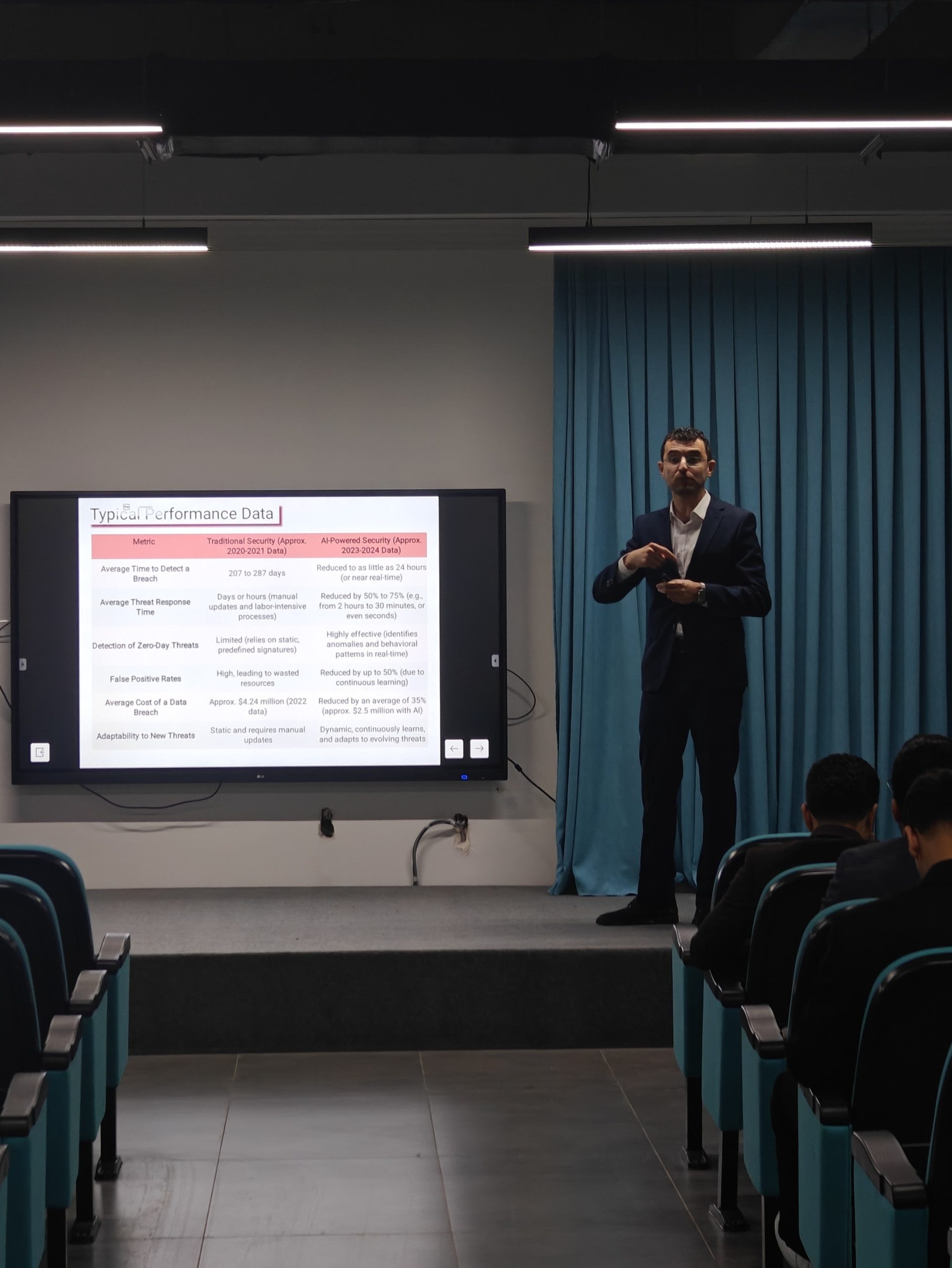
Dr. Rebwar Khalid Hamd : Enhancing learning through “Artificial Intelligence”
presenters
·Design and implement intelligent algorithms capable of detecting fraudulent media content such as deepfakes, synthetic audio, and misleading news using advanced machine learning and signal-processing techniques.
·Encourage collaboration and knowledge-sharing among computer engineering professionals and students.
·Create and evaluate AI-driven systems that can identify plagiarism, automated writing, or cheating behaviours in educational environments, supporting fair assessment and research authenticity.
·Formulate engineering standards and ethical frameworks to guide the responsible use of AI technologies, ensuring data security, transparency, and reliability in combating fraud across media and education sectors.