Faculty: Engineering
Department: Aviation Engineering
The workshop in brief:
Implementation of AI and using digital travel credential
technology is the main focus of this workshop. This will be
achieved thought looking into the forecasting, planning and
control processes in the dispatch operation of the aircraft. The
digital travel credentials that are becoming an essential part of
air travel are also analyzed from the performance and
efficiency perspective. Additionally, the workshop will explore
and investigate the limitations imposed by the influence of
task load on situation awareness of the pilots and the
workload for air traffic controllers and pilots.
Objectives:
1. Identify emerging travel credential technology
tools applicable to the aviation systems.
2. Promote faster, safer and more efficient travel in
aviation sector.
3. Recognize the role of AI in creating additional
alternatives for the aircraft dispatch process
4. Expose the human factor limitations for both the
pilots and the air traffic controllers
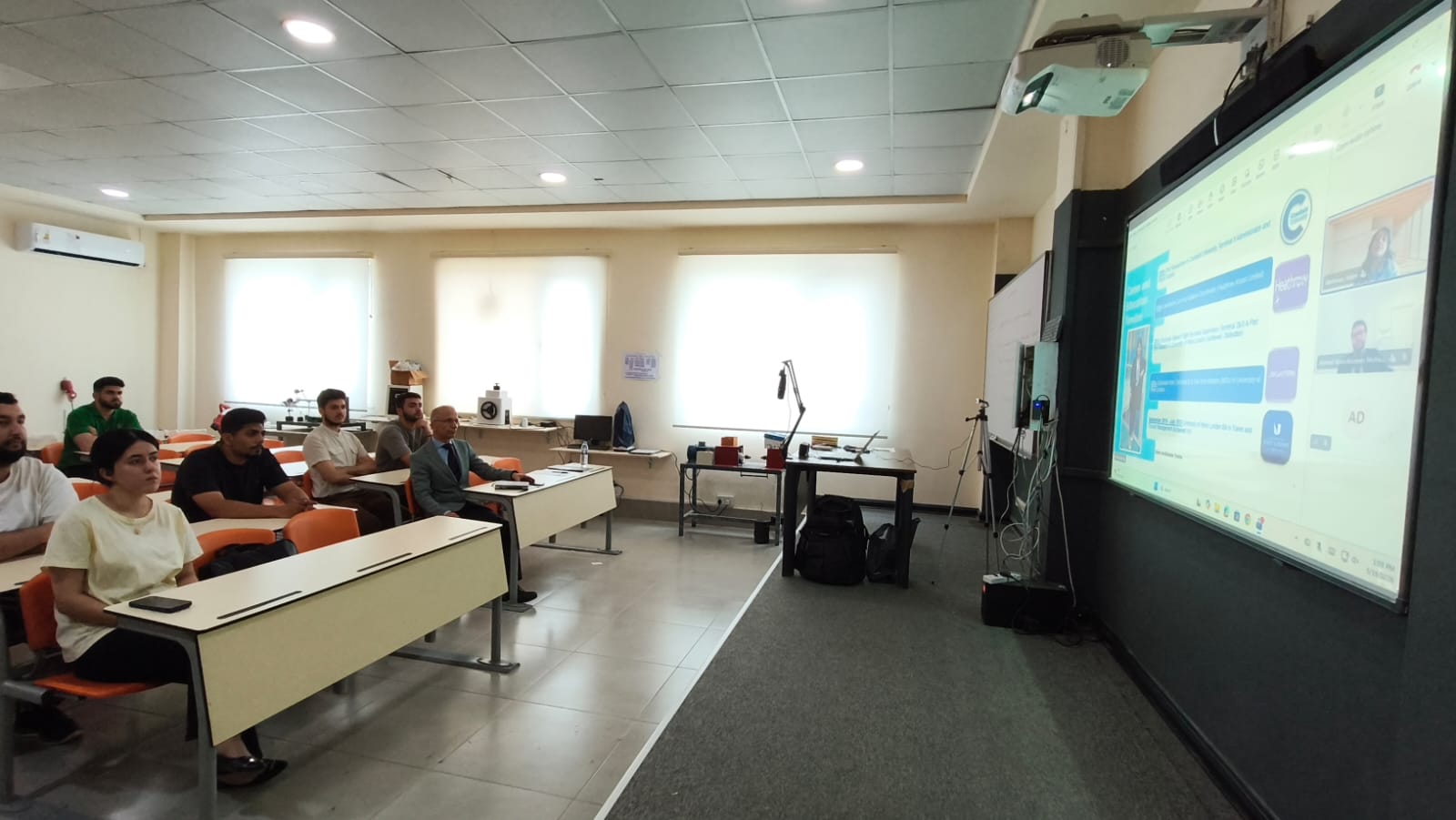
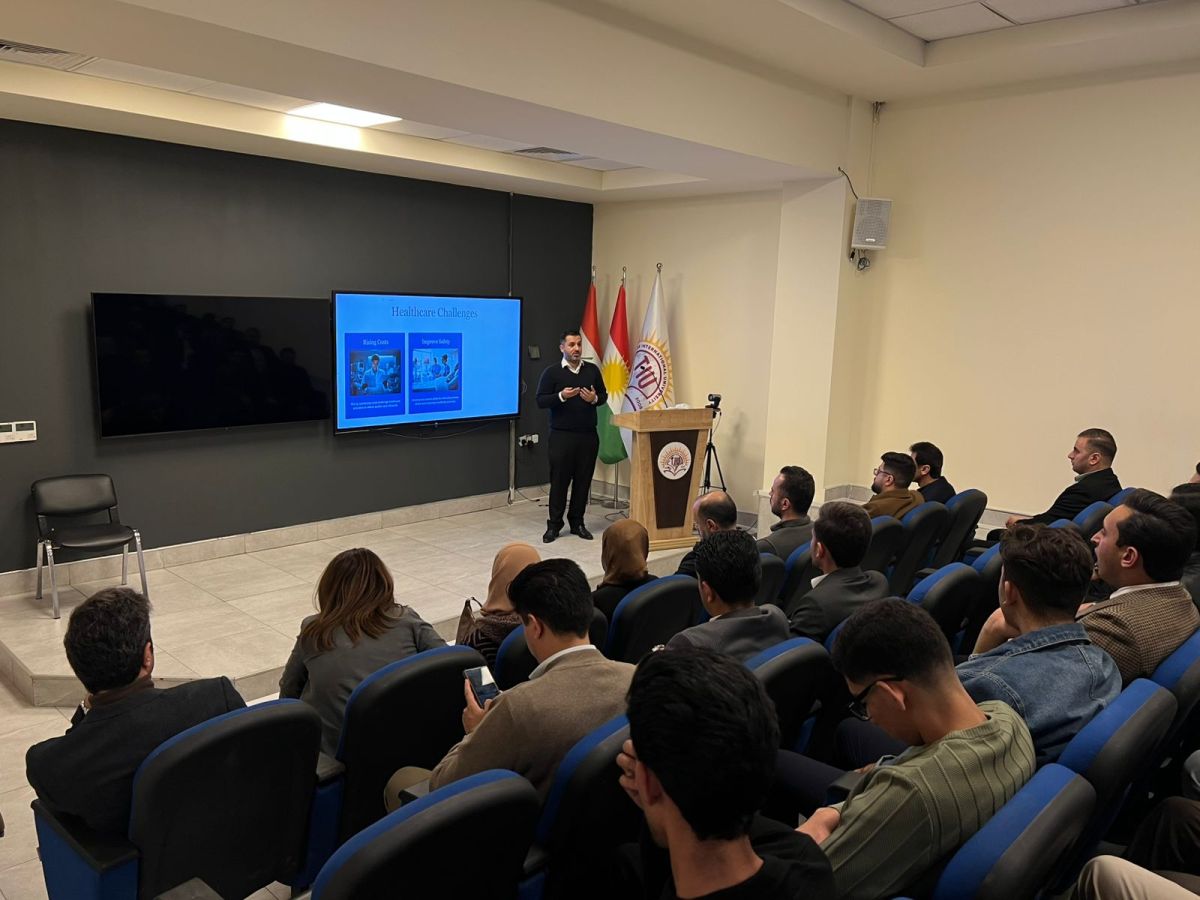
Participants: 31
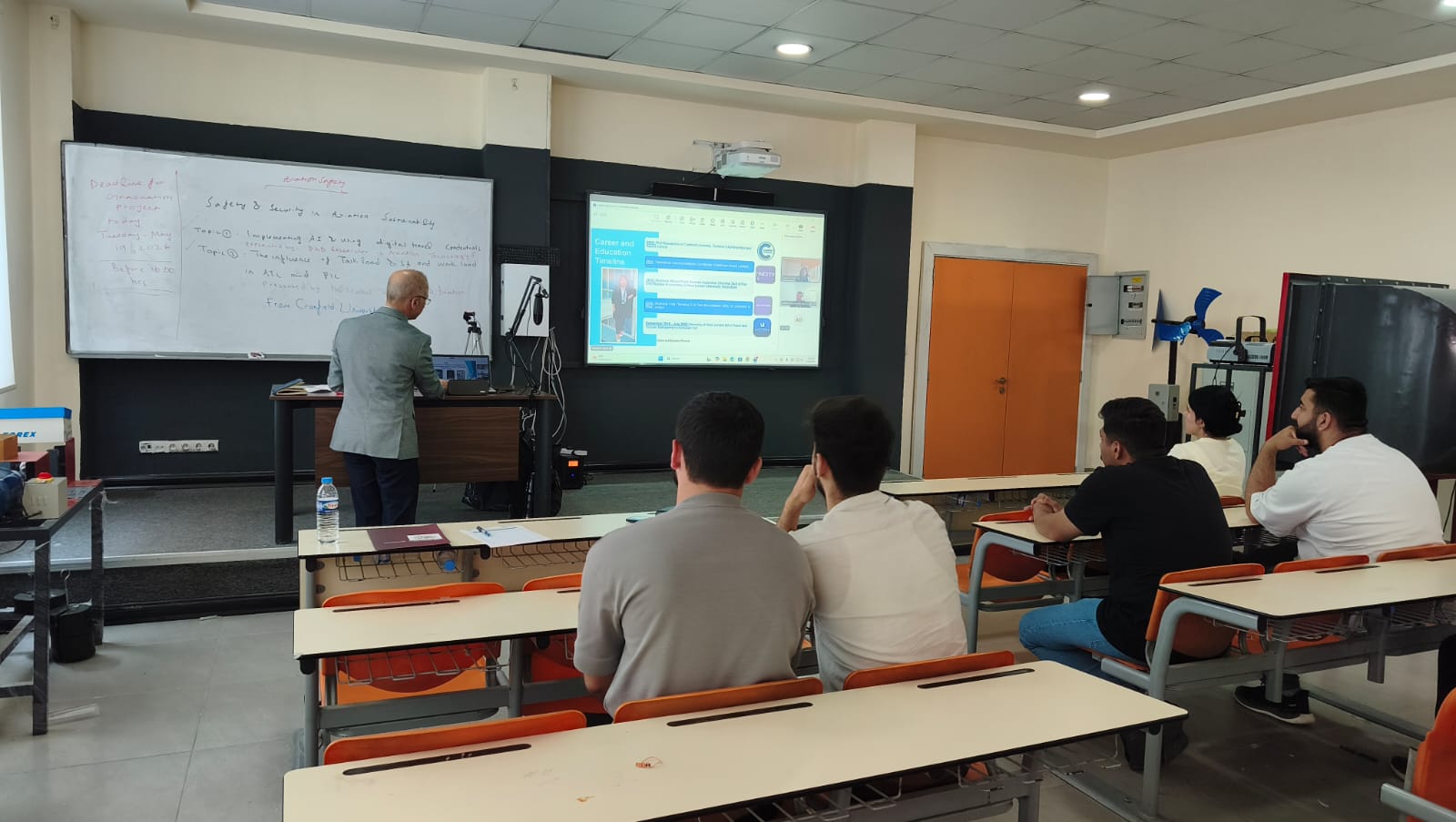
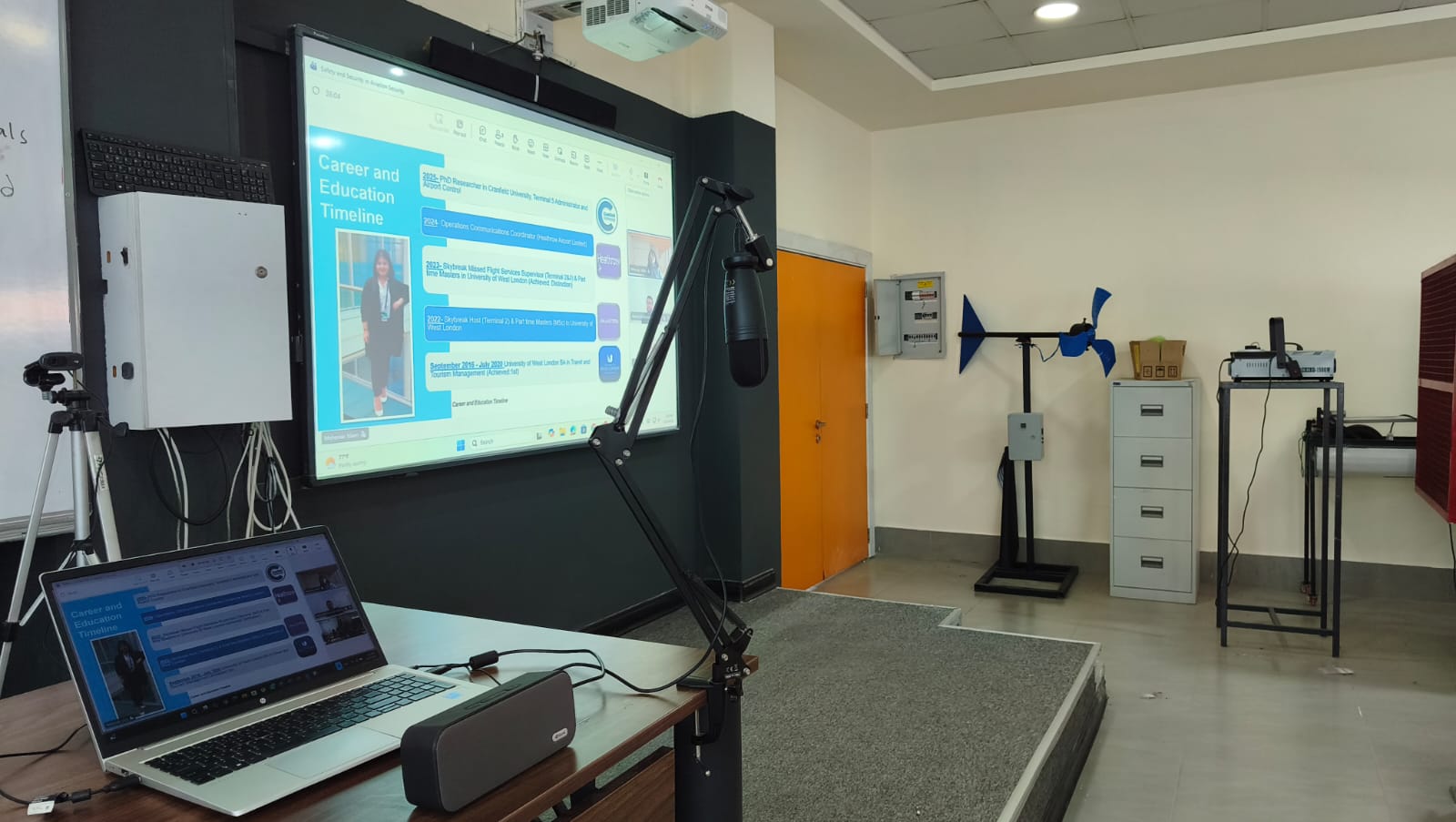
Place: Tishk International University Main Building – Room 124
Session topics:
Session one –Implementation of artificial intelligence and
digital travel credential technology
Session two – The influence of task load on situation
awareness and workload for air traffic controllers and
pilots
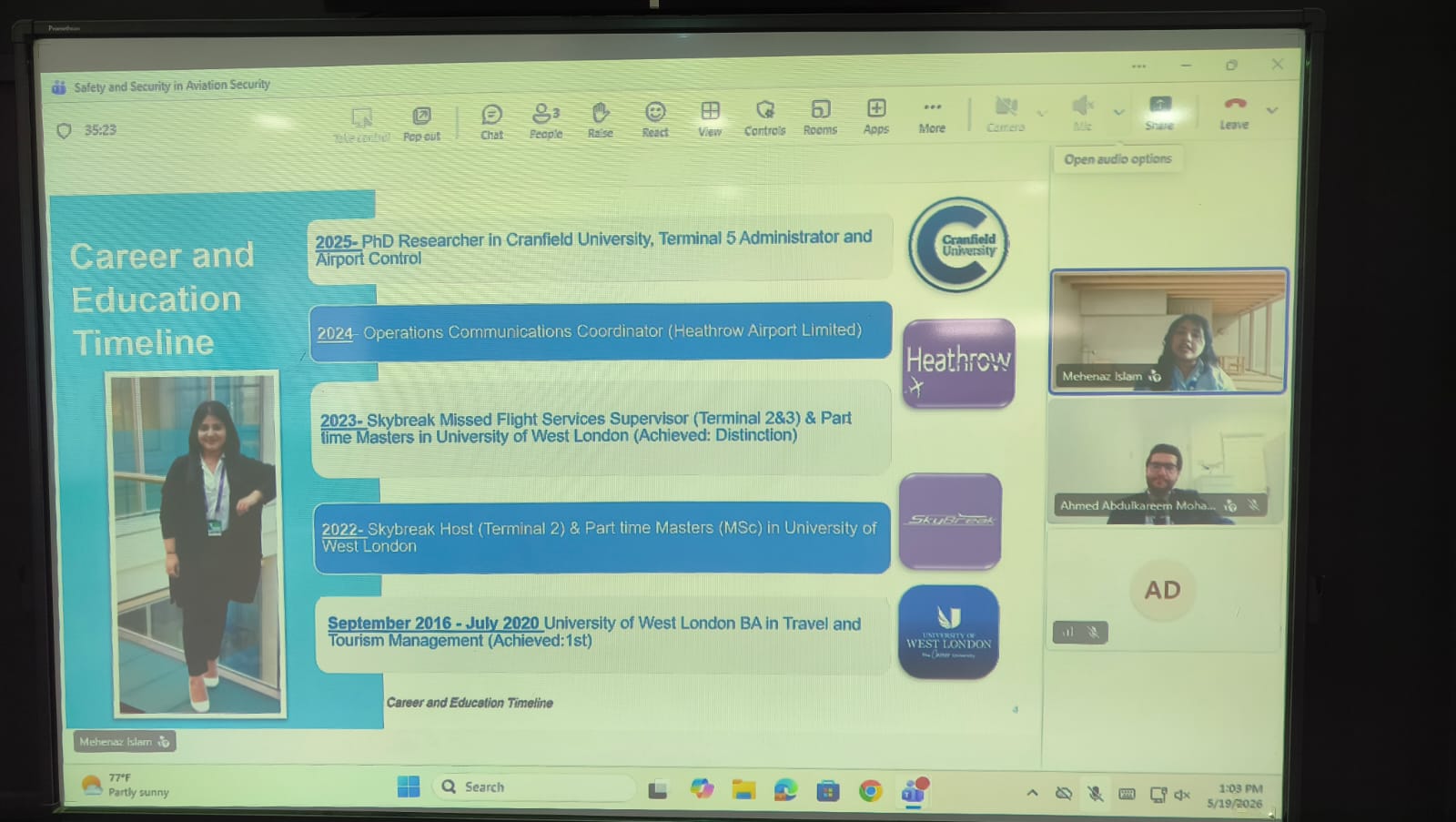
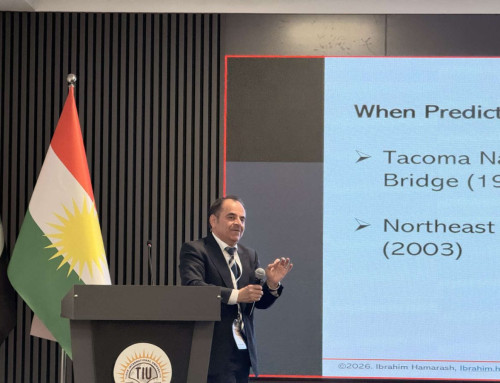
presenters
– Ms. Mehenaz Islam – Cranfield University UK – PhD Researcher
– Mr. Ahmed A. Muhammed –Cranfield University UK – PhD Student
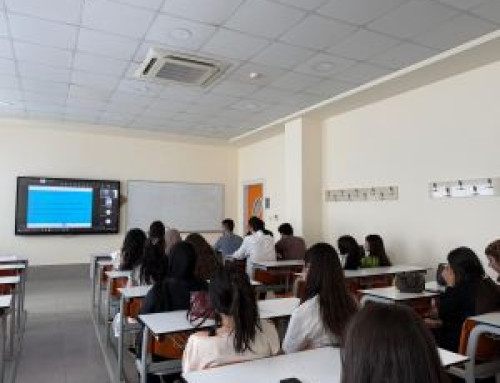
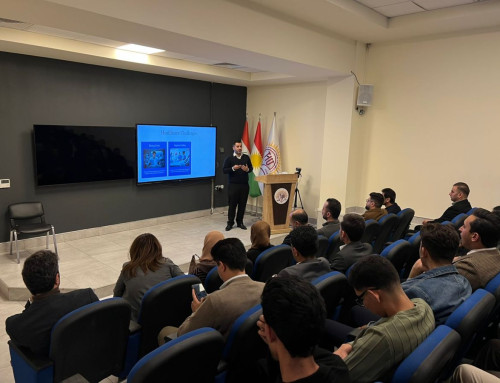
Participants were introduced to the future of the process
of document submission and approval during travel. How
the new technology is replacing human intervention and
what are the perceived timelines for the next two
generations of travel credential management.
They were also updated on the development of the
impression of human factor in safety related concerns in
aircraft aviation, navigation and communication. The
workshop touched on these important aspects within the
general climate of safety and sustainability of processes
and human intervention.