Department: Civil Engineering
The workshop in brief:
Geotechnical subsurface investigation is an important stage in any construction project. Conducted during the early stages of the planning and design, it provides essential information about soil and rock properties, directly influencing foundation design, project safety, and overall cost.
With the rapid development taking place in the Kurdistan Region, there is an increasing need to understand the latest standards, regulations, and testing methodologies used in geotechnical engineering. This workshop aims to explore both traditional and modern field testing techniques, discuss their limitations in local conditions, and highlight the challenges faced in adapting new technologies within the region’s construction practices.
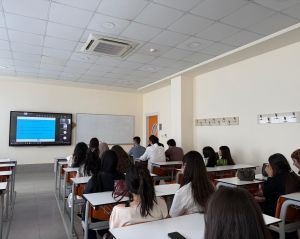
Participants: 12 Participants
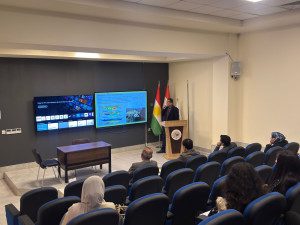
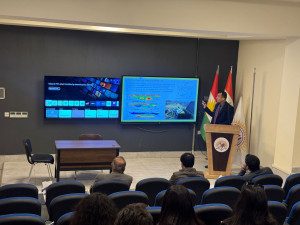
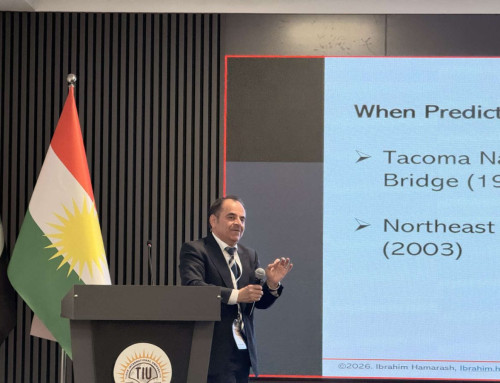
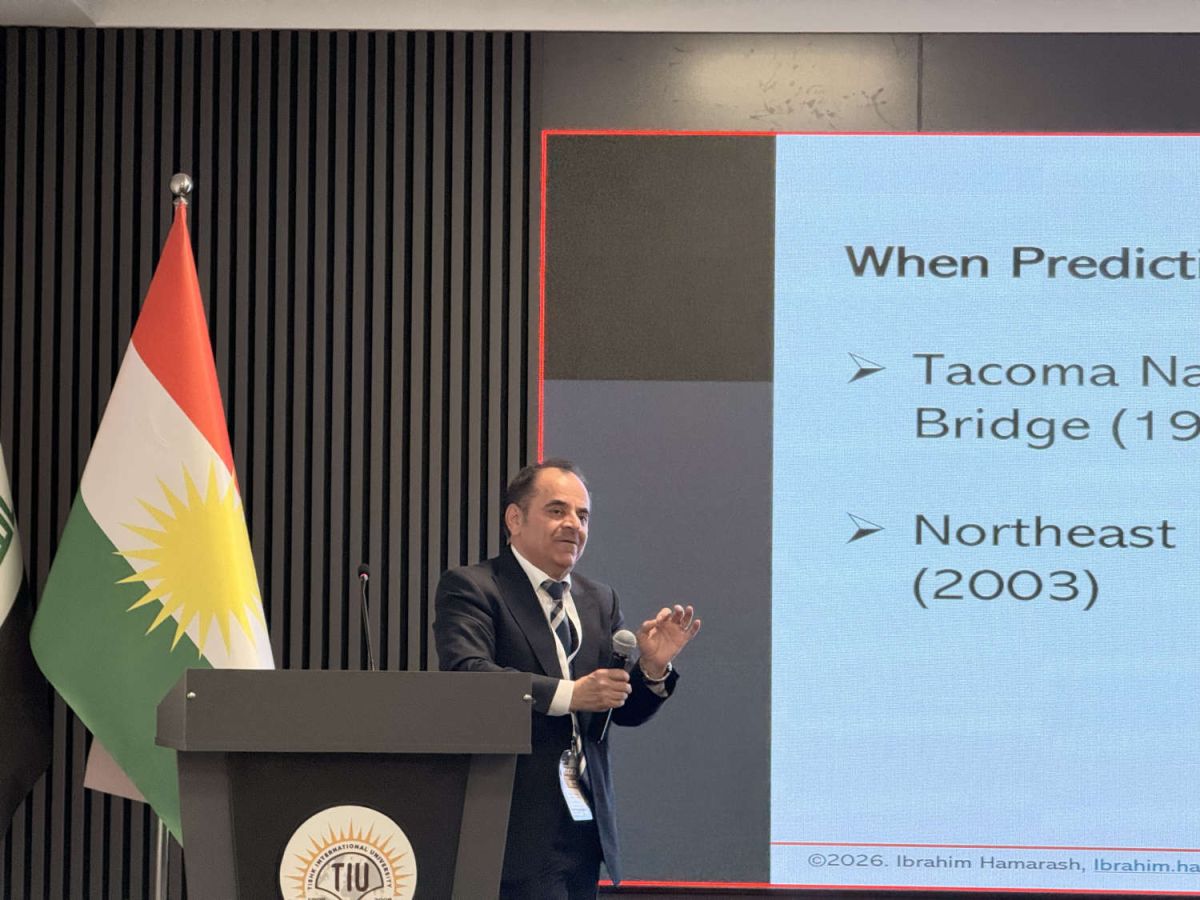
Place: Tishk International University, Education Building, Hall 302
Session topics:
Session 1: Traditional and Modern Field Testing Techniques in Geotechnical Investigation
Session 2: Local Challenges, Case Studies, and Practical Applications in the Kurdistan Region
– Dr. Yousif Abdullah
- Understand the importance of geotechnical subsurface investigation in safe and economical foundation design.
- Identify traditional field tests (SPT, CPT, Plate Load) and understand their applications and limitations.
- Recognize modern field testing methods, including pressuremeter and geophysical tests, and their advantages and constraints.
- Assess the suitability of different field tests under the geological and construction conditions of the Kurdistan Region.
- Identify major challenges in local subsurface investigation practices, including technical, regulatory, and practical issues.
- Interpret basic field test results and understand their implications for design decisions.
- Apply lessons from case studies to improve investigation strategies and reporting quality.