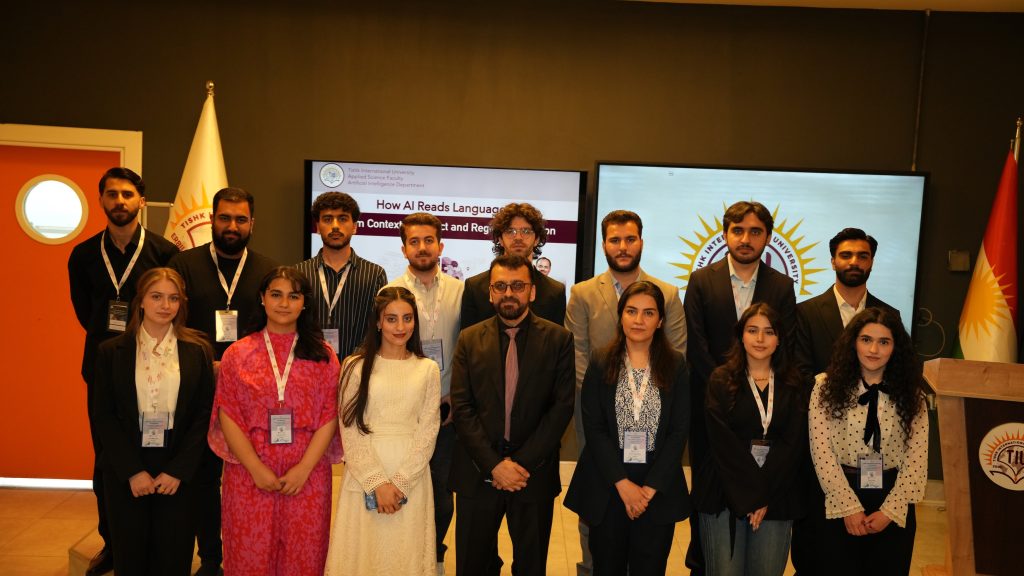
Department: Artificial Intelligence
The rapid evolution of artificial intelligence has expanded
its influence beyond purely technical domains, shaping
how humans understand cognition, creativity, and cultural
identity. This international workshop, “The Human Side of
AI: From Brain-Inspired Computing to Saving Kurdish
Culture”, aims to examine AI through a human-centered
lens, focusing on approaches that draw inspiration from the
brain while addressing meaningful societal and cultural
needs. The workshop positions AI as a bridge between
computational innovation and human values rather than
solely a technical tool.
The workshop explores how brain-inspired computing
models contribute to efficient and adaptive AI systems,
while also considering how AI technologies can support the
preservation and growth of underrepresented languages and
cultural heritage, particularly Kurdish culture. By
combining these perspectives, the workshop provides a
multidisciplinary forum to discuss how intelligent systems
can be designed to align with human cognition and applied
responsibly to real-world cultural challenges.
The objective of this workshop is to foster interdisciplinary
understanding of human-centered AI by examining brain
inspired computational methods alongside AI-based
cultural and linguistic applications. It aims to encourage
collaboration among researchers and educators, promote
awareness of ethical and cultural considerations, and
support the development of AI solutions that respect human
intelligence, cultural identity, and social responsibility.
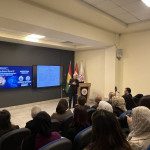
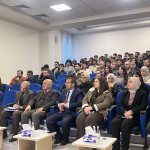
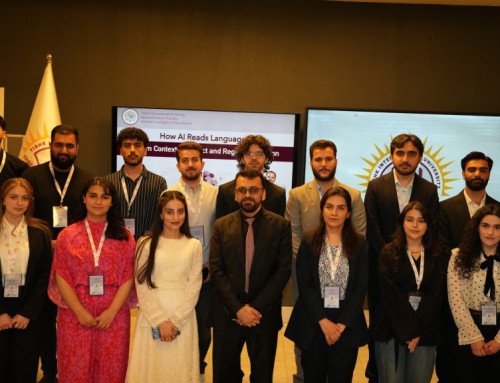
Participants: 80+
Place: Education Building, Hall 302
Session topics:
Session one: Using AI to Preserve and Expand the Kurdish Language and Culture: Challenges and Opportunities
Session two: Reservoir computing-based algorithms and their applications
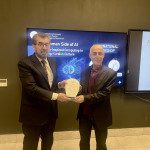
Assist. Prof. Dr. Hossein Hassani, University of Kurdistan – Hewler.
Dr. Zongying Liu, Dalian Maritime University – China.
1. Multidisciplinary Knowledge Exchange: The
primary outcome was a shared understanding of
how technical fields intersect with the
humanities.
2. Strategic Framework for Cultural Preservation: A
major tangible outcome was the exploration of
AI as a preservation tool. Specifically for Kurdish
culture and language, this likely included
discussions or project ideas regarding.
3. Ethical and Human-Centered Awareness: The
workshop moved the conversation away from AI
as “just a tool” and toward AI as a social
responsibility.
4. Cross-Cultural Technical Synthesis: Experts from
China and Kurdistan bridged the gap between
global AI theory and local application by
examining neural network mechanics alongside
their specific adaptation for the Kurdish
language